Work coordination platform
Designed for the automotive industry
As a leader in innovation, you understand the importance of staying ahead of the curve in the fast-moving automotive 4.0 world. KanBo provides you with the tools to do just that by facilitating smart factory operations, streamlining project management, fostering collaboration and solving complex problems.
Streamline Your Workforce Management with KanBo’s Task Management and Business Support Coordination for Production Teams
As the world revolves around digital technology, businesses face the daunting task of ensuring seamless collaborative work among teams while keeping up with ever-evolving trends. KanBo is a work coordination platform designed to address the needs of large enterprises, empowering teams to communicate and collaborate from a unified platform.
One of KanBo’s noteworthy strengths is in its on-premises and cloud installations and licenses that cater to the needs of every type of business. The Production Business Operation Support Team Coordinator and Manpower Controller are specifically catered for, ensuring business operations and workforce management are coordinated efficiently.
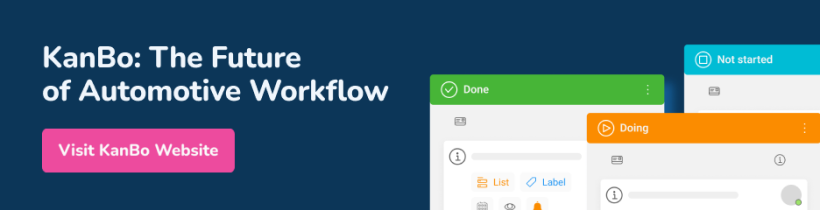
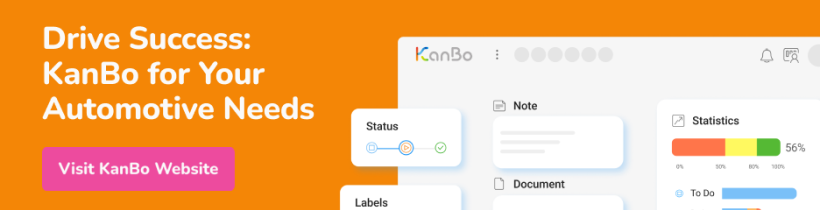
KanBo’s card status roles are designed to help with the organization of tasks, showing what stage a task is in. With options such as not started, in progress, completed, and information, the platform offers the flexibility to quickly switch between tasks at any point based on progress status.
The benefits of KanBo are numerous, with the platform helping to streamline project management, aiding in smart factory operations, providing prompt problem-solving solutions, promoting collaboration, and encouraging teamwork. It does this by providing an intuitive user interface that makes it easy for team members to communicate, schedule tasks, track progress, share knowledge, and stay updated on changes in real-time.
KanBo’s task management capabilities in the automotive industry specifically are impressive, with the platform designed to facilitate swift and efficient collaboration. The platform’s advanced features cater to the specific workflow requirements of the automotive industry, thereby providing a targeted solution. Teams can effectively manage, track and report on tasks, ensuring that everything is aligned with production targets and requirements.
In summary, KanBo is a work coordination platform designed to cater to the needs of large enterprises. With its on-premises and cloud installations, licenses, and unique card status roles, the platform is well equipped to handle the demands of the automotive industry. Its advanced task management capabilities, intuitive user interface, and numerous benefits underscore the platform’s effectiveness in streamlining business operations, promoting collaboration, and making teamwork more enjoyable.
Introduction:
The role of Production Business Operation Support Team Coordinator and Manpower Controller in the Automotive industry is critical. Tasks such as managing schedules, coordinating with teams, overseeing manpower, and maintaining a smooth workflow can be overwhelming. However, with KanBo’s task management system, you can streamline your work and increase efficiency. In this guide, we will show you how to use KanBo to manage a week in the life of a Production Business Operation Support Team Coordinator and Manpower Controller in the Automotive industry.
Monday:
Start your week by logging in to KanBo and checking all the pending tasks in your workspace. Review the current production schedule and assess the manpower requirements for the week. Assign tasks to team members and set deadlines. Use the Kanban view to track the progress of the tasks.
Tuesday:
Review the progress of the tasks assigned on Monday and update the status of the cards. Use the Gantt view to assess the production timeline and adjust it if necessary. Schedule a meeting with the team to discuss any production issues and identify solutions.
Wednesday:
Use the Mind Map view to identify potential bottlenecks in the production process. Create a card for the identified bottlenecks and assign team members to work on them. Use card relations to link the bottlenecks to the production schedule and ensure that they are resolved before they impact production.
Thursday:
Review the production schedule and assess the inventory levels. Create cards for any materials that need to be ordered and assign team members to handle the ordering process. Use the List view to track the progress of the material orders.
Friday:
Review the progress of the tasks assigned throughout the week and assess the overall production performance. Use the Table view to create a report on the week’s production metrics. Schedule a meeting with the team to discuss the report and identify areas for improvement.
Conclusion:
Using KanBo and task management, you can streamline your work and increase efficiency as a Production Business Operation Support Team Coordinator and Manpower Controller in the Automotive industry. By scheduling tasks, tracking progress, and assessing performance, you can manage a smooth and successful production workflow.
KanBo is not just a tool for task management, but it is an all-encompassing work coordination platform designed to streamline work across teams, departments, and even external stakeholders. It facilitates a cohesive work environment that promotes collaboration, communication, and transparency.
KanBo offers various features that extend beyond task management, including document management, resource management, communication tools, and visualizations. It provides a central location to store all types of documents, whether they are text documents, spreadsheets, or multimedia files. These documents can be easily accessed, searched, and shared with the relevant team members, improving collaboration and knowledge-sharing.
KanBo also offers resource management capabilities, allowing businesses to manage their resources effectively. This includes people resources, project resources, and other types of resources. By having a clear view of available resources and their allocation, managers can make informed decisions, avoiding overloading employees or underutilizing resources.
Communication tools like @mentions, email integrations, and activity streams facilitate seamless communication among team members. This feature eliminates the need for separate and scattered email threads, reducing the chances of miscommunication and confusion.
Another impressive feature of KanBo is its visualization capabilities. Its user-friendly interface allows users to view work progress and tasks from different perspectives, such as kanban, list, calendar, timeline, and Gantt chart views. This flexibility enables businesses to customize their work management to suit their specific needs and preferences.
In summary, KanBo is not just a tool for task management, but it offers an all-in-one work coordination platform with various features to simplify and enhance work management across departments and stakeholders.
Q&A
QA 1: What are some unique features of KanBo that cater specifically to the needs of the automotive industry?
Answer 1: KanBo’s task management capabilities in the automotive industry are impressive, with the platform designed to facilitate swift and efficient collaboration. The platform’s advanced features cater to the specific workflow requirements of the automotive industry, thus providing a targeted solution. Teams can effectively manage, track and report on tasks, ensuring that everything is aligned with production targets and requirements. Some of the unique features of KanBo include card status roles, Gantt charts, and Mind Map views.
QA 2: How can KanBo help in promoting collaboration and teamwork among team members?
Answer 2: KanBo provides an intuitive user interface that makes it easy for team members to communicate, schedule tasks, track progress, share knowledge, and stay updated on changes in real-time. The platform’s card status roles are designed to help with the organization of tasks, showing what stage a task is in. With options such as not started, in progress, completed, and information, the platform offers the flexibility to quickly switch between tasks at any point based on progress status. This encourages collaboration, making it easier for team members to work together towards achieving production targets.
QA 3: Can KanBo be used for both on-premises and cloud installations?
Answer 3: Yes, KanBo can be used for both on-premises and cloud installations. The platform offers licenses that cater to the needs of every type of business, making it an efficient and versatile solution for companies of all sizes. With its on-premises and cloud installations, KanBo provides access to its features regardless of the user’s location, thereby promoting effective remote collaboration.
Use case:
(PSTC) – Use KanBo to effectively manage the quarterly/monthly budget, business planning, and month-end reporting activities for the Accounting department.
One of the biggest challenges for the Accounting department is keeping track of numerous financial documents and reports required for budgeting and financial forecasting. With KanBo, users can create different boards and cards to manage financial information, including budget reports, expenditure reports, and other financial documents.
To start, users can create a board for the quarterly budget. Within this board, different cards can be created for each aspect of the budgeting process, such as income forecasts, expense budgets, and cash flow analysis.
Each card can then be assigned a status role to indicate the progress of the task. For example, the income forecast can have a “not started” status until the data is collected, and then change to “in progress” when the analysis begins. Once the income forecast is complete, the status can be changed to “completed”.
KanBo’s integration with Microsoft Office allows users to use familiar tools to create and update financial reports. Excel pivot tables, Power BI, and PowerPoint can all be used within KanBo cards to share information and analysis with team members.
KanBo’s advanced task management capabilities can also support audits on Accounting’s month-end data, ensuring compliance with financial regulations. For example, a card can be created to track overtime expenditures, with status roles indicating if the task is “not started”, “in progress,” or “completed”. Managers in the Accounting department can then use the information to make informed decisions in real-time.
In summary, KanBo’s card status roles, Microsoft Office integration, and easy-to-use tools make it a powerful platform for managing financial information. Users can easily organize and track data, collaborate with team members, and streamline financial reporting with KanBo’s user-friendly interface.