Work coordination platform
Designed for the automotive industry
As a leader in innovation, you understand the importance of staying ahead of the curve in the fast-moving automotive 4.0 world. KanBo provides you with the tools to do just that by facilitating smart factory operations, streamlining project management, fostering collaboration and solving complex problems.

Optimizing Logistics Workflows: A Guide to Task Management for Process Engineers
KanBo is a work coordination platform that empowers large enterprises to manage their projects and tasks more efficiently. With its on-premises and cloud installations, KanBo caters to every type of business, from small companies to global corporations. One of the features that make KanBo a powerful tool for project management is its Card Statuses.
Card Statuses are an essential aspect of KanBo’s Kanban view, where status lists are displayed on the board to show the progress of each task. When creating a new board, three default status lists appear: “To Do,” “Doing,” and “Done.” Users can customize the list and add new statuses as needed.
Changing the status of a card is easy and can be done in several ways. Users can drag and drop a card to a new status list, change the status directly from the card view, or use quick actions to update the status without leaving the Board view. Users can also change the order of the status lists by dragging and dropping them on the Board view or by accessing the Board menu.
Status lists do not have to follow a linear progression, as the role of a status is to show the progress of the task. Users can assign multiple statuses to share the same role, allowing for a flexible approach to project management.
In the context of the automotive industry, KanBo’s task management capabilities make it an ideal solution for logistics process engineers. With KanBo, process engineers can improve the efficiency and effectiveness of their tasks, design and implement process improvements, and respond to production issues promptly.
Overall, KanBo is a powerful work coordination platform that offers comprehensive project management capabilities and flexible task management. Its Card Statuses feature provides users with a visual representation of the progress of tasks, ensuring that every project is completed efficiently and on time.
As a Process Engineer in the logistics department of the automotive industry, you handle a lot of tasks and projects on a daily basis. To keep on top of all the work you are responsible for, you need an efficient task management tool like KanBo. With KanBo, you can easily create tasks, prioritize them, and track their progress. Here is a one-week guide on how you can use KanBo and task management to optimize your work.
Monday:
Start your week by creating a new board in KanBo and labeling it “Weekly Tasks”. Add columns for each day of the week to make it easier for you to prioritize tasks for each day. Then, list out all the tasks you need to accomplish for the week, and assign due dates and priorities to each of them.
Tuesday:
Check your board in KanBo and make sure you have completed all the tasks for Monday. You can use the “card blockers” feature to identify if there are any tasks that are pending on someone else’s action. If there are any blocked tasks, you can follow up with the person responsible for unblocking them. Then, prioritize tasks for Tuesday and get started on them.
Wednesday:
Review your progress on Tuesday’s tasks and check off the ones you have completed. If there are any tasks that haven’t been started, identify why that is and if there’s anything that can be done to avoid it in the future. Then, prioritize tasks for Wednesday and start working on them.
Thursday:
Check your board again and see if any tasks are overdue. Use the “card templates” feature if you find that similar tasks recur often. Work on the prioritized tasks for Thursday and ensure you’re on track with your weekly schedule.
Friday:
Wrap up the week by checking off completed tasks and work on the remaining ones. Use the “activity stream” feature to check if your colleagues have made any updates that you should be aware of, and follow up with them if needed. Finally, review all the tasks that you have completed during the week, and assess what went well and what could be improved upon.
With KanBo, you can optimize your task management, prioritize tasks, and keep track of your progress. By using it as your weekly planning tool, you can ensure that you have control over your tasks and workload.
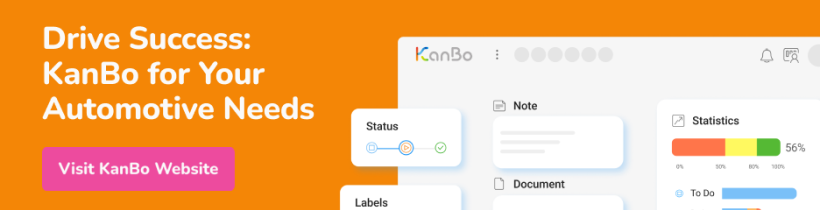
KanBo is much more than just a tool for task management. While it does excel at work coordination and organization, it also offers a range of features that make it a comprehensive solution for enterprises looking to optimize their work management practices. With KanBo, you can manage and organize everything from tasks and documents to people and resources, all within a single, unified platform.
KanBo’s workspaces and spaces not only allow you to manage tasks and projects but also enable you to organize content into groups. You can create multiple document sources, document groups, and folders, allowing you to manage all your documents within the KanBo platform effortlessly.
KanBo’s card templates, elements, and statuses allow you to customize your work management processes, making it easy to track progress and ensure that everyone is on the same page. Additionally, KanBo allows for card relations, document references, and versioning, making it easy to connect related tasks, files, and documents and ensure that everyone is working from the most up-to-date information.
Another valuable feature of KanBo is its visual representation of work. With views such as Kanban, List, Table, Calendar, Gantt Chart, Timeline, Mind Map, and more, you can choose the view that works best for you and your team and customize the layout to suit your needs.
KanBo also offers features for resource management, allowing you to track and manage everything from equipment and facilities to human resources, making it easy to allocate resources effectively and efficiently.
In summary, KanBo is much more than just a tool for task management. It is a comprehensive solution for enterprises looking to optimize their work management practices and streamline their workflows. With a range of features designed to manage tasks, projects, documents, people, and resources, KanBo is the perfect solution for organizations looking to boost productivity, collaboration, and innovation.
Q&A
Q1. What kind of businesses can benefit from using KanBo?
A1. KanBo is suitable for all types of businesses, from small companies to large corporations. It is particularly useful for businesses that need to manage projects and tasks more efficiently.
Q2. Can you customize status lists in KanBo?
A2. Yes, users can customize status lists in KanBo by adding new lists or changing the names of default lists. They can also change the order of the lists by dragging and dropping them.
Q3. How can KanBo assist logistics process engineers in the automotive industry?
A3. KanBo can help logistics process engineers in the automotive industry by improving the efficiency and effectiveness of their tasks. With its comprehensive project management capabilities and flexible task management, process engineers can create tasks, prioritize them, and track their progress in real-time. KanBo also allows engineers to design and implement process improvements and respond to production issues promptly.
Use Case: Streamlining Logistics Processes in the Automotive Industry with KanBo
Logistics process engineers in the automotive industry play a crucial role in ensuring that parts and components are efficiently and effectively delivered to meet production schedules and customer demand. However, managing and optimizing logistics processes can be a complex and challenging task, involving multiple stakeholders, systems, and interfaces.
KanBo offers a powerful solution for logistics process engineers to streamline and manage their tasks and processes, improving efficiency, and reducing errors and delays. Here are some examples of how KanBo can help logistics process engineers in the automotive industry:
1. Manage and track materials and parts flow: KanBo’s Card Statuses feature can be used to create status lists that track the progress of materials and parts from the point of order to delivery on the assembly line. Logistics process engineers can easily update the status of each card, allowing them to monitor the flow of materials and respond quickly to any bottlenecks or delays.
2. Design and implement process improvements: KanBo’s visual task management tools, such as Kanban and Gantt Chart, make it easy for logistics process engineers to design and test process improvements, such as optimizing delivery routes or reducing lead times. KanBo’s card templates and elements can be used to standardize process design and ensure consistency across teams.
3. Respond to production issues promptly: Production issues can occur at any time during the manufacturing process, requiring logistics process engineers to quickly identify and resolve issues that affect the availability of materials and parts. KanBo’s card relations and document referencing features can be used to link related tasks, files, and documents, enabling logistics process engineers to quickly trace the root cause of issues and find effective countermeasures.
4. Collaborate with cross-functional teams: Logistics processes in the automotive industry often involve multiple stakeholders, including suppliers, logistics providers, production teams, and quality control. KanBo’s team collaboration features, such as @mentions, notifications, and comments, enable logistics process engineers to communicate and collaborate effectively with these teams, ensuring that everyone is on the same page and working towards a common goal.
By leveraging KanBo’s powerful task management and collaboration features, logistics process engineers in the automotive industry can improve the efficiency and effectiveness of their processes, reduce errors and delays, and respond quickly to production issues. With KanBo, logistics process engineers can focus on delivering high-quality, on-time, and cost-effective logistics solutions to achieve strategic business objectives.