Work coordination platform
Designed for the automotive industry
As a leader in innovation, you understand the importance of staying ahead of the curve in the fast-moving automotive 4.0 world. KanBo provides you with the tools to do just that by facilitating smart factory operations, streamlining project management, fostering collaboration and solving complex problems.
Maximizing Efficiency in Automotive: A Guide to Task Management and ADAS Electrical System Integration Engineer with KanBo
Introduction
KanBo is a work coordination platform that is tailor-made for large enterprises. It provides an interactive workspace that allows seamless collaboration among teams, departments, and external stakeholders. KanBo is a robust platform that incorporates project management tools, content management, and workflow automation to help organizations boost their productivity.
Features and Benefits
KanBo offers a host of features that make it a valuable tool in project management and work coordination.
1) On-Premises and Cloud Options: With KanBo, large enterprises can choose between on-premises and cloud installations. This feature addresses concerns around data security and compliance regulations.
2) Adopter-friendly: KanBo is a flexible platform that can be configured to suit the needs and preferences of an enterprise. This makes it easier for organizations to adopt KanBo into their existing work systems, without disrupting their operations.
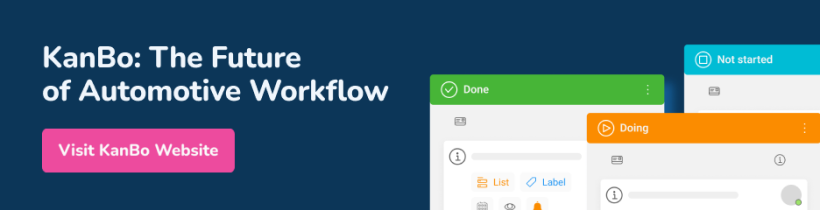
3) Task Management: Task management in KanBo is intuitive and visual, represented as cards that are moved across the board, providing clear progress updates. Tasks can be assigned, deadlines set, and reminders scheduled, making KanBo the perfect tool for managing tasks and deadlines related to Electrical Systems Integration.
4) Workflow Automation: KanBo allows users to automate repetitive tasks via workflow automation. This feature not only saves time but also ensures consistency and accuracy in work processes.
Short Product Tour
Once an enterprise adopts KanBo, the first thing they will notice is the clean and intuitive user interface. KanBo’s dashboard displays all active projects and tasks, allowing users to monitor progress in real-time.
Using KanBo, all stakeholders can share files, engage in discussions, and track project milestones. The dashboard is integrated with KanBo’s task management system, allowing users to organize tasks by priorities or deadlines. Once a task is completed, it is moved to the completed column, and a notification is sent to the relevant parties.
Focus on Task Management in Automotive
Task management is a crucial component of KanBo when it comes to the automotive industry. It provides Automotive manufacturers with Electrical Systems Integration Engineer, an easy to use, visual and intuitive tool to manage, monitor and control vehicle integration testing. With KanBo’s central workspace, Electrical Systems Integration Engineer can supervise and monitor the entire process, from designing to testing electrical systems, ensuring all ADAS functions are aligned with customer’s expectations and complying with HDMA regulations.
Conclusion
KanBo is an all-in-one work coordination tool that can help enterprises with task management, workflow automation and project management. Its flexibility, security features, and integrations make it a valuable asset to any business operating in the fast-paced world of automotive. KanBo has demonstrated its strength as a platform that can keep large enterprises organized and productive.
Introduction:
As an ADAS Electrical System Integration Engineer in the automotive industry, your role requires constant coordination and collaboration with different teams. With KanBo’s task management features, you can efficiently manage your tasks, communicate with your team, and ensure timely delivery of projects. Let’s walk through a week in the life of an ADAS Electrical System Integration Engineer and how KanBo can assist you in your role.
Monday:
Start your day by checking your KanBo task list. Check for any new tasks added to your list and prioritize them for the day. Use the Kanban view to move tasks from “To Do” to “In Progress” as you start working on them. Use the comments feature to communicate with your team members and provide updates on your progress. Use the checklist feature to ensure that all aspects of the task are covered.
Tuesday:
Attend a meeting with the ADAS development team to discuss the progress of projects and potential issues. Record any new tasks, ideas, or information discussed in a KanBo card within the relevant workspace. Assign team members to the relevant cards for follow-up.
Wednesday:
Spend the day working on a complex ADAS integration project. Use KanBo’s Gantt Chart view to plan and track the project’s timeline accurately. Use the “Card Relations” feature to connect tasks and ensure that dependencies are accurately captured.
Thursday:
Collaborate with the ADAS software development team on a specific integration task. Use the KanBo document library to store and share relevant files and documents. Use the @mention feature to tag the relevant team members and ensure timely communication.
Friday:
Complete pending tasks and ensure that all cards are moved to the “Done” column in the Kanban view. Use the KanBo dashboards and reports feature to review the progress of projects and ensure that everything is on track.
Conclusion:
By utilizing KanBo’s productivity tools, collaboration features, and flexible task management system, you can easily coordinate with your team, track your progress, and ensure timely delivery of projects as an ADAS Electrical System Integration Engineer in the automotive industry.
KanBo is not just a task management tool; it is much more than that. In fact, it’s an all-encompassing work coordination platform designed for large enterprises. KanBo takes coordination to a whole new level by bringing all teams, departments, and external stakeholders together on the same platform. The platform is designed to empower your team to work in a more coordinated and organized manner, allowing you to focus on things only people can do.
With KanBo, you get way more than just task management. You get a platform that supports different work styles and hybrid methodologies across your organization. This fosters responsibility, autonomy, and mastery while still promoting transparency and trust within the company culture.
KanBo also enables your team to regain time for the work that matters most. With its focus and clarity, your team can finally have the time to think, experiment, and explore ideas that will help them deliver their best results ever.
KanBo is designed to bridge the gap between your technology and your business. It transforms technology into something that just works, taking an employee perspective on technology. KanBo provides meaningful integrations that are in harmony with your choice of infrastructure and in peace with your IT department.
And finally, KanBo’s inspiration is drawn from nature and ants working together to achieve their mission every day. With KanBo, you can create powerful collaboration opportunities with colleagues who share their enthusiasm and drive, encouraging innovation along the way, which can help you reach your mission, as great as yours is.
In conclusion, KanBo is much more than just task management. It’s a work coordination platform that empowers purpose-driven organizations to optimize work management with full transparency and trust, so people can work the way they were truly meant to.
Q&A
Q1: What industries can benefit from using KanBo?
A1: KanBo is a work coordination platform that can benefit many industries, including the automotive industry, healthcare, finance, and technology sector. Its flexible and intuitive interface can help organizations manage tasks, workflows, and projects, increasing their productivity and efficiency.
Q2: Does KanBo offer on-premises and cloud options?
A2: Yes, KanBo provides on-premises and cloud installation options. This feature gives large enterprises the flexibility to choose a deployment option that best suits their data security and compliance regulations.
Q3: How can KanBo help Electrical System Integration Engineers in the automotive industry?
A3: KanBo can help Electrical System Integration Engineers in the automotive industry by providing an easy-to-use, visual, and intuitive platform for managing complex ADAS projects and tasks. With KanBo’s Gantt Chart view, task management features, document library, and collaboration tools, Electrical System Integration Engineers can coordinate with their teams, track their progress, and ensure timely delivery of projects.
Use Case: Managing Electrical Systems Integration for Automotive
Let’s take a concrete example of how KanBo can be used to manage Electrical Systems Integration for the automotive industry.
Project Goal: Develop and integrate electrical systems for new car models in compliance with HDMA regulations
Tasks and Subtasks:
1. Develop Electrical System Design
a. Define ADAS functions and their integration requirements
b. Create Wiring Diagrams for the Electrical Systems
c. Analyze Data for Electrical Systems Integration
2. Test Electrical Systems
a. Conduct System Simulations
b. Perform Component Testing
c. Evaluate Testing Results
3. Troubleshoot System Issues
a. Analyze Test Failure Data
b. Propose Solutions for System Errors
c. Coordinate with Relevant Departments for System Maintenance
How KanBo Cards can help:
1. Create a board for Electrical Systems Integration.
2. Create cards for each task and subtask.
3. Use Checklists in the Card details section to break down tasks into smaller steps.
4. Label tasks with appropriate tags such as “Design,” “Testing,” and “Troubleshooting.”
5. Use card comments to discuss issues and propose solutions.
6. Attach relevant files to each card, such as Wiring Diagrams, Test Plans, and Test Results.
7. Use the progress bar to track the completion of each task.
8. Assign responsible parties to each card and use the avatar icon to mark their responsibility.
9. Move cards between lists to show their progress in the project.
With KanBo Cards, users can easily manage the entire Electrical Systems Integration project, from Design to Testing and Troubleshooting. They can collaborate with their team members and coordinate with relevant departments to ensure that all tasks and subtasks are completed on time, and in compliance with HDMA regulations.
Furthermore, KanBo Cards are easy to use since they leverage Microsoft Office skills such as creating checklists and attaching files to cards, making it simpler for users to manage complex tasks. By using KanBo Cards, users can increase productivity and accuracy, avoid project delays, and reduce the risk of errors.
Conclusion:
KanBo Cards can be used to manage complex tasks and projects, such as Electrical Systems Integration in the automotive industry. Its user-friendly interface coupled with Microsoft Office skills makes it easier for users to manage tasks, visualize progress, and collaborate with relevant stakeholders. With KanBo Cards, users can increase productivity, reduce errors, and ensure compliance with regulations.