Work coordination platform
Designed for the automotive industry
As a leader in innovation, you understand the importance of staying ahead of the curve in the fast-moving automotive 4.0 world. KanBo provides you with the tools to do just that by facilitating smart factory operations, streamlining project management, fostering collaboration and solving complex problems.
Maximizing Efficiency: Expert Insights from Business Consultants on Effective Task Management
Large enterprises face a range of unique challenges when it comes to workflow management. With teams spread across many locations, departments working in different time zones, and an ever-increasing demand for streamlined operations, it can be difficult to ensure all stakeholders are on the same page. This is where KanBo comes in.
KanBo is a work coordination platform designed specifically for large enterprises. It offers a range of features to help teams work more cohesively and efficiently, including on-premises and cloud installations, customizable status roles, and an intuitive task management system.
One of the key benefits of KanBo is its ability to bring all teams and departments together. By allowing users to create task cards, assign tasks to specific team members, and move cards through customizable status roles, KanBo ensures everyone knows exactly what they need to be working on. This is particularly important in the fast-moving world of automotive manufacturing, where delays or miscommunications can have significant consequences.
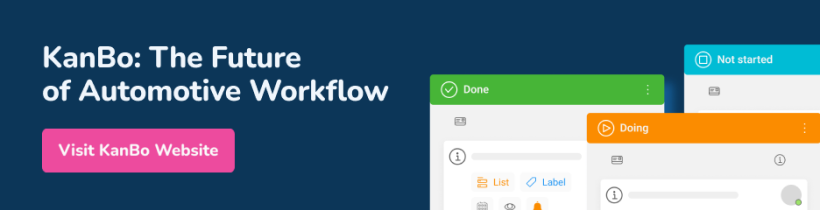
KanBo’s customizable status roles are particularly useful for keeping everyone on the same page. With the ability to mark tasks as “Not started”, “In progress”, “Completed”, or “Information”, it’s easy to see where things stand at a glance. This helps teams prioritize their work, stay on top of deadlines, and ensure nothing falls through the cracks.
KanBo also offers a range of other features to help teams work cohesively, including seamless integration with existing tools, customizable workflows, and the ability to create and share templates. And with its focus on both cloud and on-premises installations, it can be tailored to fit the needs of any large enterprise.
In summary, KanBo is a work coordination platform designed specifically for large enterprises. Its customizable status roles, intuitive task management system, and range of other features make it an invaluable tool for anyone looking to streamline operations, improve communication across teams and departments, and ensure everyone is working towards the same goals. With its focus on task management in the automotive industry, it’s a must-have tool for any business looking to stay ahead in the fast-moving world of automotive manufacturing.
As a business consultant in the automotive industry, you know that efficient task management is essential for ensuring success in projects. With KanBo, you can easily organize tasks, collaborate with team members, and track progress. In this how-to guide, we will walk you through a typical week in the life of a business consultant using KanBo for task management.
Monday:
Start your day by logging into KanBo and checking your notifications. Review any new cards assigned to you, and update the status of any cards that you’re currently working on. Use the Kanban view to organize your tasks for the day, set priorities, and update deadlines.
Tuesday:
Collaborate with your team members by adding comments and mentioning them on specific cards. Use the Gantt chart view to review the progress of your projects and identify any potential delays. Utilize the resource management feature to ensure that team members are properly assigned and allocate adequate resources.
Wednesday:
Use the activity stream feature to keep track of changes made to your project. Take advantage of the document management feature to store and share documents with your team members. Use the task templates to quickly create new cards and save time on repetitive tasks.
Thursday:
Take a moment to reassess the progress of your projects and adjust priorities if necessary. Use the timeline view to see all upcoming deadlines and ensure that you’re on track to meet them. Use the report feature to generate comprehensive reports and evaluate project performance.
Friday:
Wrap up the week by reviewing the progress of your projects and updating the status of cards accordingly. Plan ahead for the next week by using the calendar view to schedule upcoming tasks and events. Use the KanBo analytics feature to gain valuable insights into your workflow and identify areas for improvement. With KanBo, you can stay on top of your tasks and achieve success in your projects.
KanBo is much more than just a tool for task management. It is a comprehensive work coordination platform designed to bring all teams, departments, and external stakeholders in large enterprises together. While task management is an important aspect of KanBo, it is only one small part of a suite of powerful features that help teams to collaborate, plan projects, and work more efficiently.
KanBo has a wide range of features that cater to different workstyles and hybrid methodologies. Its intelligent search function, for example, allows users to quickly search for content across all workspaces and documents. This means that important information is never hidden away in individual silos, which can slow down projects and reduce productivity.
KanBo also has a range of visualizations that help users to get a better view of their work. Kanban, table, and calendar views provide different perspectives on tasks, while the Gantt chart and timeline views allow users to see project timelines and dependencies at a glance. This makes it easier to plan and track work, and to ensure that projects stay on schedule.
KanBo also has features that help to promote transparency and trust within organizations. Follows and activity streams allow users to stay up-to-date with the latest developments in a project, while @mentions and notifications ensure that everyone is kept in the loop. This means that teams can work more collaboratively and take collective responsibility for their work.
In addition to these features, KanBo also has powerful resource management capabilities. It allows users to allocate resources to different tasks and projects, and to track resource utilization so that there are no conflicts or overloads. This means that teams can work more efficiently and effectively, without worrying about overworking their team members.
In conclusion, KanBo is a highly flexible and adaptable platform that offers far more than just task management. Its wide range of features and capabilities make it an ideal solution for large enterprises that want to streamline their work coordination and maximize productivity.
Q&A
Q: What makes KanBo a valuable tool for large enterprises?
A: KanBo offers customizable status roles, an intuitive task management system, and a range of other features to help teams work cohesively and efficiently. It brings all teams and departments together, allowing users to create task cards, assign tasks to specific team members, and move cards through customizable status roles. With a focus on both cloud and on-premises installations, KanBo can be tailored to fit the needs of any large enterprise.
Q: How does KanBo help users stay on top of their tasks?
A: KanBo uses customizable status roles, such as “Not started”, “In progress”, “Completed”, or “Information”, to help users keep track of their tasks. This allows users to prioritize their work, stay on top of deadlines, and ensure that nothing falls through the cracks. KanBo also offers a range of other features, such as seamless integration with existing tools, customizable workflows, and the ability to create and share templates, to help users work cohesively.
Q: What are some features of KanBo that are particularly useful for automotive manufacturing?
A: In the fast-moving world of automotive manufacturing, delays or miscommunications can have significant consequences. KanBo’s ability to bring all teams and departments together and its customizable status roles make it particularly useful for this industry. Users can create task cards, assign tasks to specific team members, and move cards through customizable status roles to ensure everyone knows exactly what they need to be working on. The Gantt chart view, resource management feature, and document management feature are also particularly useful for automotive manufacturing.
Let’s take a use case for the automotive industry to understand how the KanBo Status Roles can be used. For any automotive company, designing and launching a new car model is a complex and multi-stage process that involves coordination between various departments, teams, and vendors.
Using KanBo, teams can assign tasks related to the design, manufacturing, marketing, and sales of the new car to specific team members and track their progress through the customizable status roles. For example, a task for creating a new car design can be assigned to the design team with a “Not started” status. As the team starts working on it, the status can be changed to “In progress.” Once the design is finalized, the status can be changed to “Completed.”
Similarly, a task for manufacturing the new car can be assigned to the production team with a “Not started” status. As the team starts manufacturing, the status can be changed to “In progress.” Once the production is completed, the status can be changed to “Completed.”
With KanBo Status Roles, teams can easily track the progress of each task and ensure that everything is on track for the launch of the new car model. Moreover, since KanBo integrates with Microsoft Office, users with Microsoft Office skills can easily create and manage tasks within the KanBo platform.
In conclusion, KanBo Status Roles make it easy for teams to track the progress of their tasks and ensure that they are on track to meet their project goals. With its integration with Microsoft Office, even users with basic Microsoft Office skills can easily create and manage tasks within KanBo.