Work coordination platform
Designed for the automotive industry
As a leader in innovation, you understand the importance of staying ahead of the curve in the fast-moving automotive 4.0 world. KanBo provides you with the tools to do just that by facilitating smart factory operations, streamlining project management, fostering collaboration and solving complex problems.

Maximize Efficiency with Task Management: A&F Enterprise Center of Excellence Guide
KanBo: A Work Coordination Platform for Large Enterprises
In today’s fast-paced working environment, enterprises need a tool that can help them manage tasks, coordinate projects, and foster collaboration across teams. This is where KanBo comes in – a work coordination platform designed to meet the complex needs of large businesses.
One of the unique selling points of KanBo is its flexibility. Whether you prefer on-premises or cloud installations, KanBo can cater to your preferences. Its fully customizable licenses make it an ideal solution for any type of business, whether small or large.
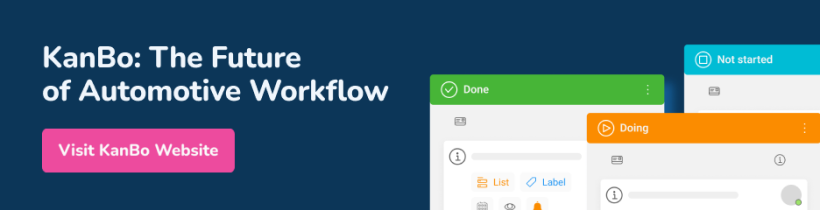
But what sets KanBo apart from other work coordination platforms is its focus on task management. With KanBo, you can create, assign, and track tasks in real-time, ensuring that everyone is on the same page regarding project progress. Its card status roles also help with organization, giving you a clear visual representation of where each task is in the process.
KanBo offers four status options – not started, in progress, completed, and information. This allows you to easily track the status of each task and move them forward, promoting efficiency and productivity.
In the context of the automotive industry, KanBo is an excellent tool for facilitating smart factory operations, streamlining project management, and solving complex problems. Its focus on task management, coupled with its flexibility, makes it an ideal platform for managing the complex projects and tasks that come with working in this industry.
To get started with KanBo, you can take a short product tour to see its features in action. You can also benefit from its integration capabilities and easily connect with other software applications that your business uses. This helps create a seamless workflow and promotes collaboration across the organization.
In conclusion, KanBo is a work coordination platform designed to help large enterprises manage tasks, coordinate projects, and foster collaboration. Its focus on task management, flexibility, and integration capabilities make it an ideal solution for businesses in the automotive industry and beyond. With KanBo, you can streamline operations, improve productivity, and stay ahead of the curve.
Introduction:
Now that you know the features of KanBo and how it can benefit the automotive industry, it’s time to see it in action. In this how-to guide, we will take you through a week in the A&F Enterprise Center of Excellence in the automotive industry using KanBo and Task Management. We’ll show you how KanBo can help streamline your work, increase efficiency and improve collaboration.
Monday:
Monday is the start of the week, so our team at A&F Enterprise Center of Excellence starts by creating a new KanBo workspace and inviting team members to join. We use the workspace to manage our tasks, communicate with each other, and collaborate on different projects. We create tasks cards for each team member, assign them to specific tasks, and set deadlines to keep track of progress.
Tuesday:
On Tuesday, we use KanBo’s Document Groups and Folders features to store all project-related documents in one place. The team members can access the documents, and we can link them to relevant task cards. This way, everyone is on the same page, and it’s easy to find and share relevant information.
Wednesday:
Mid-week, we use KanBo’s Gantt Chart to track the overall project progress and see where we stand with meeting the deadlines. With this feature, we can easily check if any tasks are behind schedule and take the necessary steps to get back on track.
Thursday:
On Thursday, we use KanBo’s Calendar view to schedule upcoming meetings and deadlines. The team members can view the schedule and ensure that they have enough time to complete their tasks. We also use the Mind Map view to brainstorm and plan projects before adding them as task cards.
Friday:
Finally, on Friday, we use KanBo’s Dashboards & Reports feature to review the overall performance of the team and identify areas where we can improve. We use the data we get to make necessary adjustments and improve our processes for the upcoming week.
Conclusion:
KanBo has helped us streamline our work, increase productivity, and improve collaboration within our team. With its various features and functionalities, KanBo has become an essential tool for us, and we look forward to using it to achieve our goals in the automotive industry.

Did you know that KanBo is much more than a tool for task management? While it certainly excels at organizing and prioritizing tasks, KanBo is also designed to bring teams, departments, and external stakeholders together in a coordinated work environment. Its advanced features allow for transparent communication and collaboration, fostering a culture of trust and responsibility.
One of KanBo’s key strengths is its adaptability to different workstyles and hybrid methodologies across organizations. KanBo empowers team members to take ownership of their work and encourages mastery through autonomy. The platform facilitates deeper thinking and exploration of ideas, inspiring teams to deliver their best results.
KanBo’s customizability makes it an ideal solution for organizations of all sizes and industries. With its on-premises and cloud installations and licenses, KanBo can be tailored to meet the preferences and needs of individual businesses. Its meaningful integrations with popular infrastructures like SharePoint, Microsoft Office 365, Google Suite, AWS, and Salesforce make it a valuable addition to any IT department.
By adopting KanBo as a work coordination platform, organizations can maximize their ROI on existing technology investments and streamline processes that can lead to increased productivity and satisfaction at work. The platform encourages an invincible organization culture that emphasizes transparency, trust, and purpose-driven initiatives.
Overall, KanBo is much more than a task management tool. It’s a work coordination platform designed to empower people and organizations to achieve their best performance, collaborate effectively, and foster a culture of transparency and trust.
Q&A
Q1. What makes KanBo stand out from other work coordination platforms?
A1. KanBo’s unique selling point is its focus on task management and its flexibility. It allows for on-premises or cloud installations and has customizable licenses that cater to any type of business, regardless of its size.
Q2. How can KanBo help the automotive industry specifically?
A2. KanBo is very useful in streamlining smart factory operations, project management, and complex problem-solving in the automotive industry. Its focus on task management and integration capabilities can help with managing the complex projects and tasks that come with working in the automotive industry.
Q3. How does KanBo help with collaboration and communication within teams?
A3. KanBo allows team members to create, assign, and track tasks in real-time, ensuring that everyone is on the same page regarding the progress of a project. Its card status roles help with organization and give a clear visual representation of where each task stands in the process. Furthermore, its integration capabilities allow for seamless workflow and promotes collaboration across the organization.
Use Case: KanBo in Automotive Industry
Let’s take a scenario where a large automotive company is implementing a new project to improve their manufacturing process using smart technology. They have multiple teams working on different aspects of the project, from sourcing components to developing software for the equipment.
This is where KanBo comes in handy. The project manager can create a board on KanBo for each team and assign tasks with deadlines. For instance, the sourcing team can be assigned tasks like ordering raw materials or finding new vendors. The software development team can be assigned tasks like coding, debugging, and testing.
Each task can have a specific status role assigned to it, such as not started, in progress, completed, or information. The project manager can use the KanBo dashboard to monitor the progress of each task, ensuring that everything is on track, and escalating issues as required.
Moreover, KanBo’s seamless integration with Microsoft Office 365 and other popular software applications allows teams to easily collaborate and share resources. For example, the sourcing team can use Excel to track expenses, which can then be linked to their KanBo board. The software development team can use Microsoft Teams to communicate and bring their work into KanBo.
As a business analyst, you could be working under one of the Chief Product Owners, responsible for developing key dependencies such as requirements, processes, procedures, and policies required for the successful implementation of a solution. You could be working on developing a financial planning solution or a product profitability reporting and analytics solution. You will closely work with project team members as well as business owners to capture the activities and tasks necessary for a broader solution implementation project.
In conclusion, KanBo is an ideal work coordination platform for the automotive industry, helping companies manage complex projects, streamline their operations, and improve productivity. KanBo’s status roles are easy to use and allow users to track the progress of their tasks visually. Its integration with popular software applications like Microsoft Office 365 makes it an ideal addition to any IT department. Furthermore, as a business analyst, you can use KanBo to understand and document future state processes, support requirement definition and solution design, define future state roles and responsibilities, support testing and training activities and participate in daily project team meetings to review results, priorities, and escalate issues.