Work coordination platform
Designed for the automotive industry
As a leader in innovation, you understand the importance of staying ahead of the curve in the fast-moving automotive 4.0 world. KanBo provides you with the tools to do just that by facilitating smart factory operations, streamlining project management, fostering collaboration and solving complex problems.
Mastering Task Management: Insights from an Experienced Exterior Design Principal Engineer
KanBo is a work coordination platform designed to revolutionize task management in the automotive industry. With its innovative features and unparalleled functionality, KanBo can help large enterprises in this sector to stay ahead of the game.
One of the key benefits of using KanBo is its child card functionality, which is perfect for managing complex tasks that require multiple activities to be completed. With child cards, users can break down large tasks into smaller, more manageable units, making it easier to track progress and stay on top of deadlines.
In addition to its child card feature, KanBo offers a range of other tools and functionalities that are specifically designed to support the needs of the automotive industry. For example, KanBo’s on-premises and cloud installations and licenses make it easy for businesses to tailor the platform to their specific requirements, while its collaboration tools make it simple for teams to work together on complex projects.
Overall, KanBo is an invaluable tool for any large enterprise in the automotive industry that is looking to streamline its task management processes, achieve greater efficiency, and stay ahead of the curve. With its powerful features, intuitive interface, and unparalleled functionality, KanBo is the ultimate work coordination platform for businesses that want to succeed in today’s fast-paced and competitive automotive sector.
As a busy Exterior Design Principal Engineer in the Automotive industry, it can be challenging to keep track of all the tasks and projects in a fast-paced work environment. That’s where KanBo and Task Management come in! With their help, you can streamline your work and stay on top of all your responsibilities. Here’s how you can use KanBo and Task Management for one week as an Exterior Design Principal Engineer:
Monday: Begin the week by creating a new workspace for your projects. Include all the necessary spaces, cards, and card groups to ensure you have a complete overview of everything related to your projects.
Tuesday: Use KanBo’s “Assign People to Cards” feature to assign tasks to your team members. Add deadlines and reminders to ensure everyone knows what they need to do and when they need to do it.
Wednesday: Take advantage of KanBo’s “Card Statuses” feature to track the progress of your tasks. Keep the status up-to-date to ensure everyone knows what has been completed and what still needs to be done.
Thursday: Use KanBo’s “Activity Streams” to track all the activities related to your cards. Stay informed about any changes, comments, or updates so you can quickly respond to any issues that arise.
Friday: Wrap up the week by using KanBo’s “Dashboards & Reports” to create a summary of your progress and identify areas for improvement. Share this with your team members to ensure everyone is on the same page and has a clear understanding of what needs to be done in the coming week.
By using KanBo and Task Management, you can effectively manage your tasks, stay organized, and ensure that your projects are completed on time.
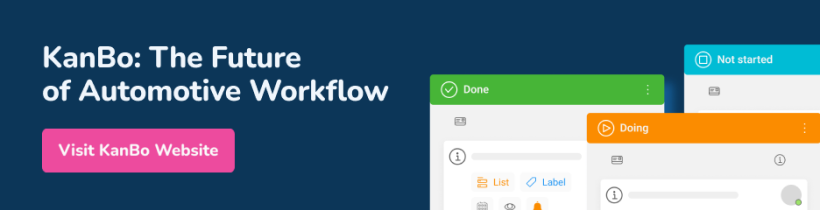
Yes, while KanBo can be used for task management, it is much more than just a task management tool. KanBo is a comprehensive work coordination platform designed to meet the needs of large enterprises. It provides a space for teams, departments, and external stakeholders to come together and collaborate on projects, share information, and visualize work.
One important feature of KanBo is its ability to organize information from multiple sources. With KanBo, users can pull in information from various document sources, including SharePoint, Google Drive, and OneDrive, and create a central hub of information that is easily searchable and accessible. This helps to eliminate the need for users to jump from one platform to another to access information, saving time and increasing productivity.
KanBo also offers a range of visualizations that enable users to better understand their work. From Kanban boards to Gantt charts, timelines to activity views, users have multiple ways to view their work. This flexibility allows teams to choose the best visualization for their particular project, making it easier to monitor progress and identify areas that require attention.
KanBo also supports resource management, allowing users to track the availability of team members and assign tasks accordingly. With this feature, teams can better manage their workloads, ensuring that tasks are assigned to the appropriate people and completed on time.
In addition, KanBo offers social collaboration features such as comments, @mentions, and activity streams. These features facilitate communication and collaboration among team members, providing a space for discussion and shared problem-solving.
Overall, KanBo is much more than just a task management tool. It is a comprehensive work coordination platform that provides teams with a space to collaborate, share information, and visualize work. With its flexible visualizations, integrated document sources, and social collaboration features, KanBo enables teams to work more efficiently and effectively, ultimately leading to better results.
Q&A
1. Q: What are some of the key features of KanBo that make it particularly valuable to the automotive industry?
A: KanBo offers a number of features that are specifically designed to meet the needs of the automotive industry. For example, its child card functionality is particularly useful for managing complex tasks that require multiple activities to be completed. In addition, KanBo offers on-premises and cloud installations and licenses that make it easy for businesses to tailor the platform to their specific requirements. Finally, KanBo’s collaboration tools are ideal for supporting teamwork on complex projects.
2. Q: How can KanBo and Task Management help an Exterior Design Principal Engineer in the automotive industry stay organized and efficient?
A: By using KanBo and Task Management, an Exterior Design Principal Engineer can easily create workspaces for their projects, assign tasks to team members, track progress, and generate reports that summarize progress and identify areas for improvement. This can help them stay on top of their responsibilities and ensure that projects are completed on time.
3. Q: What benefits does KanBo offer over other task management platforms?
A: KanBo sets itself apart from other task management platforms by offering a range of features that are tailored to meet the needs of the automotive industry. Its child card functionality, on-premises and cloud installations, and collaboration tools are just a few examples of the ways in which KanBo stands out from other platforms. In addition, KanBo’s intuitive interface and powerful functionality make it easy to use and highly effective in meeting the needs of large enterprises.
Use Case: Simplifying Automotive Industry Tasks with KanBo Child Card Groups and Microsoft Office Skills
Let’s take an example of a design engineer who needs to develop Exterior components that meet expectations of performance, quality, manufacturability, regulations, and standards. This complex task can be simplified using KanBo Child Card Groups and Microsoft Office skills.
Step 1: Create a child card group inside the parent card
To break down the complex task into smaller, manageable units, the user can create a child card group inside the parent card. This can be done by clicking on the + Add element button in the card elements section, selecting Child card group, typing a name, and pressing Add.
Step 2: Add child cards to the child card group
Now the user can add child cards to the child card group by clicking on the + Add child card button. The child cards can be named as per the activities that need to be completed.
Step 3: Organize child cards using Microsoft Office tools
The user can organize the child cards using Microsoft Office tools such as Excel or PowerPoint to prioritize tasks, set deadlines, and share the information with team members.
Step 4: Monitor progress using visualizations
KanBo offers multiple visualizations such as Kanban boards, Gantt charts, timelines, and activity views that allow users to monitor progress and identify areas that require attention.
Step 5: Collaboration and communication
KanBo offers social collaboration features such as comments, @mentions, and activity streams that facilitate communication and collaboration among team members. The design engineer can share updates on completed activities, ask for feedback, and seek support when needed.
Step 6: Completion of child card group
Once all the child cards in the child card group are completed, the progress of the child card group is visible on the main icon circle. The user can mark the task as complete and move on to the next one.
In conclusion, by using KanBo Child Card Groups and Microsoft Office skills, the automotive industry professionals can simplify complex tasks and manage them efficiently. The child card groups help in breaking down complex tasks into smaller manageable units, and Microsoft Office tools help in organizing and prioritizing activities. With KanBo visualizations and collaboration features, teams can monitor progress, communicate, and collaborate effectively, leading to better results.