Work coordination platform
Designed for the automotive industry
As a leader in innovation, you understand the importance of staying ahead of the curve in the fast-moving automotive 4.0 world. KanBo provides you with the tools to do just that by facilitating smart factory operations, streamlining project management, fostering collaboration and solving complex problems.
Mastering Task Management: Insights from a Senior Information Security Engineer on Application Security
KanBo is the ultimate work coordination platform designed for large enterprises. It is a one-stop solution that helps teams across the organization manage projects, tasks, and deadlines with ease. With its robust on-premises and cloud installations and licenses, KanBo caters to the needs and preferences of a variety of businesses looking to optimize their workflows.
KanBo is particularly useful for automotive players who need to stay ahead in the fast-moving automotive 4.0 world. This innovative platform provides tailored tools to facilitate smart factory operations, streamline project management, foster collaboration, and solve complex problems. KanBo delivers a centralized way of managing projects, automating workflows, and integrating with a variety of existing systems, ensuring seamless collaboration among teams.
One key feature of KanBo is its Card Details. This section provides essential information about the card and gives you insights into other related cards, users, and time dependencies. Card Details consists of a variety of elements such as the board, card status, card completion, card list, MyBoard list, card members, and visitors, card labels, card dates, and card relations. These details are critical for managing workflows and deadlines across teams, departments, and external stakeholders.
KanBo boasts several benefits for large enterprises, including better task management and coordination, streamlined workflows, and enhanced collaboration. The platform enables teams to manage their workload more efficiently, prioritize tasks, and stay informed about the project’s progress. With KanBo, enterprises can also better handle complex problems, identify emerging risks, and implement strategic countermeasures.
In summary, KanBo is an innovative platform designed for large enterprises that want to streamline their workflows, improve collaboration, and optimize task management. Its Card Details section provides insights into project-related details, enabling teams to stay on top of deadlines, dependencies, and stakeholder communication. With KanBo, automotive players can stay ahead in the rapidly-changing automotive 4.0 world and tackle complex problems with ease.
Introduction:
In this section, we will provide you with a step-by-step guide of how a Senior Information Security Engineer, working in the application security field in the automotive industry, can utilize KanBo and task management to effectively manage their workload and achieve their goals efficiently. We will take you through a week in the life of this engineer, from Monday to Friday, and show you how they use KanBo to organize their work and maximize their productivity.
Monday:
The first thing the Senior Information Security Engineer does on Monday morning is to log into their KanBo account and check their task list. They prioritize their tasks based on their urgency and importance and create new tasks for any immediate needs that may arise during the day. They assign cards to their relevant team members and set deadlines for each task to ensure timely completion.
Tuesday:
On Tuesday, the engineer receives a high-priority task to investigate a security issue in one of the automotive manufacturing applications. They create a new card in KanBo, assign it to themselves, and attach all relevant documents and information for this task. They also link this card to an existing card for the application in question, ensuring that all details related to this issue are in one place.
Wednesday:
The engineer spends Wednesday reviewing the current application security controls in place and identifying any gaps in compliance with industry standards. They create a checklist in KanBo to track their progress and identify areas that need further attention. They also set reminders for themselves to ensure that they stay on track and meet their deadline.
Thursday:
On Thursday, the engineer receives a request for a security assessment of a new application that will be integrated with the existing manufacturing system. They create a new card in KanBo and assign it to the relevant team members. They also set a deadline for completion of this task, ensuring that all work is completed on time.
Friday:
On Friday, the engineer holds a meeting with their team to discuss the progress made throughout the week and plan for the upcoming week. They use KanBo to review completed tasks, identify areas that need improvement, and plan for the next week’s workload. They make sure that all cards are updated with the latest information and that everyone is aware of their roles and responsibilities.
Conclusion:
By utilizing KanBo and effective task management techniques, the Senior Information Security Engineer was able to stay organized and productive throughout the week. They were able to efficiently manage their workload, complete tasks on time, and collaborate effectively with their team to achieve their goals. With KanBo, the engineer was able to streamline their work and ensure that all information and relevant data were in one place, making task completion faster and more efficient.
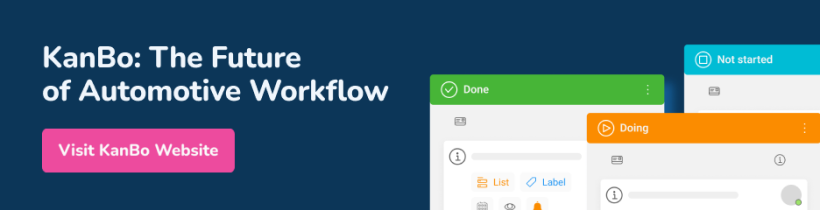
Did you know that KanBo is much more than just a tool for task management? KanBo is a comprehensive work coordination platform designed to simplify and streamline work management for enterprises of all sizes. One of the key benefits of KanBo is its ability to bring all teams, departments, and external stakeholders together in one central platform.
KanBo includes a range of powerful features and functionalities that go beyond simple task management. Its workspaces and spaces functionality allow teams to break down projects, tasks, and initiatives into meaningful groups, while document sources enable the seamless integration of files and documents from different sources into a single, easy-to-access location.
KanBo also includes a wide range of visualizations, including Kanban boards, timelines, Gantt charts, and calendars, that enable teams to manage their work in a way that suits them best. Additionally, KanBo offers powerful collaboration and communication tools, such as comments, notifications, and activity streams, that ensure everyone on the team is kept in the loop and can work together to achieve their goals.
KanBo takes a holistic approach to work management, providing teams with the tools and functionalities they need to collaborate effectively, ensure tasks are completed on time, and stay organized. Whether you’re a project manager, team leader, or individual contributor, KanBo offers a comprehensive solution that can help you work smarter and achieve your goals more efficiently.
Q&A
1. QA: What are some benefits that KanBo offers for automotive players, specifically?
A: KanBo provides tailored tools for smart factory operations, project management, collaboration, and problem-solving in the rapidly-changing automotive 4.0 world. With centralized project management, automated workflows, and integration with existing systems, KanBo helps streamline operations across teams and departments, enabling automotive players to optimize their workflows and stay ahead of the competition.
2. QA: How does KanBo’s Card Details section help teams manage deadlines and dependencies?
A: KanBo’s Card Details section provides essential information about each card, including board, card status, completion, list, MyBoard, members, visitors, labels, dates, and relations, giving teams visibility into all related tasks, stakeholders, and dependencies. By having access to this information in one place, teams can ensure that they are staying on top of project progress, meeting deadlines, and communicating effectively with external stakeholders.
3. QA: How can KanBo help a Senior Information Security Engineer effectively manage their workload and tasks?
A: Senior Information Security Engineers can use KanBo to prioritize and assign tasks, set deadlines, and collaborate effectively with their team. KanBo’s centralized system allows for easy access to related cards, information, and documents, enabling engineers to stay organized and work efficiently. Additionally, KanBo’s checklist feature and reminder system helps ensure that tasks are completed on time and that the engineer is meeting all necessary compliance and security standards.
Use Case: Enhancing Security Services for Automotive Companies
As the automotive industry continues to evolve and digitize, security threats are becoming more complex and sophisticated. To address these challenges, automotive companies require a comprehensive suite of security services to safeguard their businesses and customers. As a security engineer, your role involves contributing to the multi-year roadmaps for security services and ensuring that they meet business requests and requirements. Here are some examples of your day-to-day activities and responsibilities:
Implement Solutions to Meet Business Requests/Requirements
You will work closely with the product owner and stakeholders to implement solutions that meet business requests and requirements. For example, you may be tasked with implementing a new security feature or enhancing an existing security service to improve its effectiveness.
Provide Recommendations to the Product Owner and Stakeholders
Based on your expertise and understanding of the security landscape, you will provide recommendations to the product owner and stakeholders to create achievable and realistic deliverables. This may include reviewing and analyzing market trends, user feedback, and the current product roadmap.
Support the Product Owner in Prioritizing Product Features
As a security engineer, you will work closely with the product owner to create and maintain a product backlog according to business value or ROI. This involves prioritizing features, managing iteration planning, and elaborating user stories to ensure that the product meets the needs of the business and users.
Identify and Manage Cross-Impacts for Security Architectural Decisions
You will work closely with service recipients, stakeholders, and enterprise architecture to identify and manage cross-impacts for security architectural decisions. This involves understanding the interdependence and impact of security services on other business functions and ensuring consistency across all security platforms.
Mitigate Impediments Impacting Team’s Successful Completion of Goals
As part of your role, you will actively mitigate impediments that impact the successful completion of release/sprint goals. This may involve collaborating with other teams to resolve technical issues or providing guidance to peers during critical events.
Research and Analyze Market Trends and Roadmaps for Security Products
You will research and analyze market trends, user feedback, and the roadmap for the current and future security products being delivered. This ensures you have a deep understanding of the business portfolio and can identify and recommend solutions to address existing product coverage gaps.
Manage Product Owner, Domain Owner, and Sponsor Expectations
Your role involves managing expectations for solution design, architecture, and capabilities. This involves working closely with the product owner, domain owner, and sponsor to ensure that their requirements are met and that the product meets business needs.
Assess Quantitative and Qualitative Data for Measurable KPIs
As a data-driven security engineer, you will assess quantitative and qualitative data that can be translated into product deliverables. This involves developing measurable KPIs that can be used to track the effectiveness of security services.
Maintain Knowledge of Relevant Security Technologies
To be effective as a security engineer, you must maintain a strong working knowledge of relevant security technologies within the industry and their capabilities. This ensures that you can recommend and implement the best solutions for the business.
In conclusion, a career as a security engineer in the automotive industry involves contributing to the development of security services to meet business needs. Your role requires you to be proactive, data-driven, and capable of collaborating with stakeholders from different business functions. By implementing comprehensive security services, you can help automotive companies mitigate security threats and ensure a secure future for their business and customers.