Work coordination platform
Designed for the automotive industry
As a leader in innovation, you understand the importance of staying ahead of the curve in the fast-moving automotive 4.0 world. KanBo provides you with the tools to do just that by facilitating smart factory operations, streamlining project management, fostering collaboration and solving complex problems.
Mastering Task Management and Project Audits with OneHUB Program Asia Pacific
KanBo: Revolutionizing Work Coordination for Large Enterprises
Managing projects and coordinating tasks across teams and departments in large enterprises can be a daunting task. With the need for smart factory operations, streamlined project management, and collaboration, it’s crucial to have a reliable work coordination platform in place. That’s where KanBo comes in.
KanBo is a work coordination platform designed to bring teams, departments, and external stakeholders together in large enterprises. It is a powerful tool that facilitates communication, streamlines workflows, and solves complex problems. This platform is available on-premises and on the cloud, catering to the needs and preferences of every type of business.
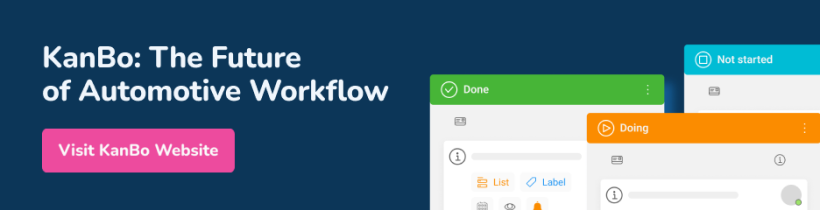
The KanBo platform is highly effective in managing projects and tasks across teams. It provides a clear overview of all tasks, their current status, and who is responsible for them. Its Card status roles feature, for instance, makes it easy to organize tasks according to their stage of completion. Users can choose from four different status options – not started, in progress, completed, and information – to manage their tasks effectively.
Moreover, KanBo offers several benefits to large enterprises including:
• Improved productivity: With KanBo’s streamlined workflows, teams can work faster and more efficiently.
• Better communication: KanBo makes communication easy and seamless, ensuring all stakeholders are on the same page.
• Real-time collaboration: With KanBo, teams can collaborate in real-time, allowing for faster decision-making and problem-solving.
• Project transparency: KanBo provides a clear overview of all tasks and projects, making it easier to identify roadblocks and solve issues.
• Customizable to your needs: KanBo is highly customizable, so businesses can tailor it to fit their unique needs and preferences.
In terms of product tour, KanBo offers several features that are particularly useful for large enterprises in the automotive industry. These include:
• Task Management: KanBo’s task management feature is ideal for complex projects involving multiple teams. It allows users to assign tasks, track their progress, and set deadlines, ensuring that everything is completed on time.
• Collaboration Tools: KanBo’s collaboration tools enable team members to work together seamlessly, regardless of their location. Users can share files, make comments, and create annotations, all in real-time.
• Data Management: KanBo enables users to manage large volumes of data efficiently. Its advanced search function makes it easy to find the information you need quickly.
Overall, KanBo is revolutionizing work coordination for large enterprises. With its advanced features, customizable options, and ease of use, it’s no wonder that it’s become a popular choice for businesses across the globe. To learn more about KanBo and how it can benefit your business, visit their website or schedule a demo today!
Are you struggling with project management and audits in the automotive industry? Look no further than KanBo and Task Management for an efficient and streamlined solution. In this how-to guide, we will take you through a week in the life of a Manager Project & Audits in the OneHUB Program Asia Pacific, using KanBo and Task Management to stay organized and on top of deadlines.
Monday: Start your week by creating a KanBo workspace for your project. Invite team members, assign roles and permissions, and establish a communication plan with clear guidelines for follow-ups and updates. Begin by creating your task list and assigning priority levels, deadlines, and individual responsibility for each task.
Tuesday: As tasks are assigned and priorities are established, use KanBo’s task management tools to ensure that deadlines are met and progress is tracked. As tasks are completed, use KanBo’s status roles to show progress towards project completion.
Wednesday: At this point, you might want to schedule a meeting with your team to discuss upcoming deadlines, review progress, and establish new priorities for the coming week. Use KanBo to schedule the meeting, send out reminders, and take notes for follow-up.
Thursday: This is a good day to review audit documents and ensure that all relevant materials are available and organized in KanBo’s Document Groups and Folders. Use KanBo’s card relations feature to link relevant documents to specific tasks and ensure that nothing is overlooked.
Friday: End your week by generating progress reports and sharing them with stakeholders and team members. Use KanBo’s dashboards and reports to create charts and graphs that illustrate progress towards project completion, and use KanBo’s resource management features to ensure that everyone is working efficiently and productively.
By using KanBo and Task Management to organize and streamline your workflow, you can make sure that your project stays on schedule and that your team is working together effectively towards a common goal. Don’t let project management become a headache; take control with KanBo and Task Management.
Many people think of KanBo as a tool for task and project management, but it’s actually much more than that. KanBo is a comprehensive work coordination platform that helps organizations optimize their work management with full transparency and trust.
One of the key features of KanBo is its ability to create workspaces where all members of a team can collaborate and work together seamlessly. KanBo workspaces allow teams to organize their work in a way that makes sense to them, without being limited by predefined workflows or structures. In addition, KanBo workspaces can be customized to suit the specific needs of individual teams, departments, or projects, making it a flexible and adaptable platform.
Another important feature of KanBo is its extensive document management capabilities. In addition to being able to attach and detach documents to individual cards, Kanbo also allows for the creation of document groups and folders within workspaces. This makes it easy for teams to access all the documents they need in one place without having to search through multiple sources.
KanBo also provides a range of visualizations and analytics tools to help teams better understand their work and identify areas for improvement. With KanBo’s Kanban, Gantt chart, calendar, and timeline views, teams can visualize their work in different ways to gain insights into project progress, identify bottlenecks, and plan future work.
Finally, KanBo puts a strong emphasis on empowering teams to work together more effectively. With features like mentions, follows, and activity streams, team members can collaborate in a more real-time way. And because KanBo is designed to be fully transparent and promote trust, teams can work together towards a common goal, without worrying about individual reprisals or hidden agendas.
In summary, KanBo is much more than just a tool for task management. It’s a comprehensive work coordination platform that empowers teams to work together more effectively, collaborate seamlessly, and stay on top of their work. Whether you’re looking to improve your team’s productivity, streamline your work management processes, or simply make your work more enjoyable, KanBo has something to offer.
Q&A
Q1: How does KanBo benefit large enterprises in the automotive industry?
A1: KanBo benefits large enterprises in the automotive industry by providing improved productivity, better communication, real-time collaboration, and project transparency. Its customizable features allow businesses to tailor it to fit their unique needs and preferences.
Q2: What are some of the features of KanBo that are particularly useful for large enterprises in the automotive industry?
A2: Some of the features of KanBo that are particularly useful for large enterprises in the automotive industry include task management for complex projects, collaboration tools for seamless teamwork, and data management for efficient handling of large volumes of information.
Q3: How can KanBo and Task Management help a Manager Project & Audits stay organized and on top of deadlines?
A3: KanBo and Task Management can help a Manager Project & Audits stay organized and on top of deadlines by providing a central workspace for the project, assigning tasks and priorities with deadlines, visual progress tracking, scheduling meetings with reminders and note-taking, organizing audit documents, and generating progress reports. This results in an efficient and streamlined workflow for effective project management.
Use Case: Internal Audit Management with KanBo
The Internal Audit process is a critical component of every large enterprise, and it involves identifying and assessing areas of significant business risk, reporting control deficiencies to management, and making recommendations to mitigate risk and add value. With KanBo, companies can streamline their Internal Audit Management process, ensuring optimal efficiency, and effectiveness.
KanBo offers several features that help simplify the Internal Audit process for large enterprise businesses. One of these features is KanBo’s card status roles. Users can choose from four different status options to manage their tasks – not started, in progress, completed, and information. This makes it easy to organize tasks according to their stage of completion during the internal audit process.
KanBo’s Kanban view enables users to visualize their internal audit tasks in different ways, such as by category or priority, which can help identify areas that need extra attention. Additionally, KanBo allows teams to collaborate in real-time, ensuring that all stakeholders are on the same page during the internal audit process. For instance, auditors and compliance teams can collaborate on corrective actions, helping ensure they are holistic and effective.
KanBo’s advanced search function makes navigating the internal audit process easier, ensuring that users can access the information they need quickly and easily. Plus, users can attach and detach relevant documents to individual cards, making it easy to track and reference documents.
Finally, KanBo lets users perform periodic operational risk assessments, identifying gaps that may lead to financial impact, and recommending control tasks. The information gathered during these assessments can be tracked and managed in KanBo to ensure that the internal audit process is being followed.
With KanBo’s card status roles, Kanban view, real-time collaboration, advanced search function, and risk assessments, companies can drive a more effective and efficient internal audit process. Furthermore, KanBo integrates seamlessly with Microsoft Office tools, such as MS Teams and PowerPoint, enabling users to work with KanBo tasks in familiar environments.