Work coordination platform
Designed for the automotive industry
As a leader in innovation, you understand the importance of staying ahead of the curve in the fast-moving automotive 4.0 world. KanBo provides you with the tools to do just that by facilitating smart factory operations, streamlining project management, fostering collaboration and solving complex problems.

Master Task Management with KanBo: A Must-Have Platform for Logistics Process Engineers
KanBo is a work coordination platform that has been designed to cater to the needs of large enterprises. Its focus on bringing all teams, departments, and external stakeholders together has been a game-changer for many companies. One of the key strengths of KanBo is its ability to be installed both on-premises and in the cloud, which caters to various business preferences.
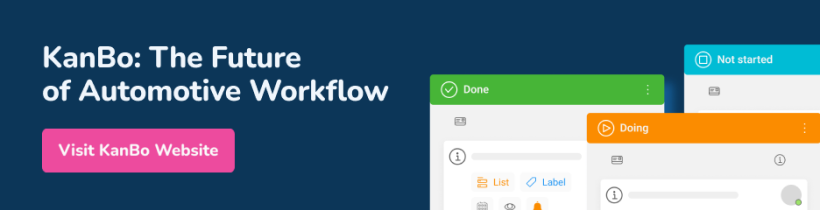
Within KanBo, there are status roles that can be assigned to tasks to improve organisation and tracking. These roles allow teams to understand what stage a task is at and help streamline the process. There are 4 status options available – Not started, In progress, Completed, and Information – that can be changed at any time.
KanBo offers many benefits to large enterprises, including streamlining project management, fostering collaboration, and solving complex problems. The platform’s focus on task management in the automotive industry is particularly noteworthy. A logistics process engineer can use KanBo to improve efficiency and effectiveness of tasks. They can also facilitate smart factory operations, generate options for process improvements, and actively support project teams related to significant business innovation.
KanBo provides a short product tour to help new users navigate the platform. It features a modern and intuitive interface, making it easy to use from the get-go. The platform offers a range of features such as task assignment, deadline tracking, and comment threads, which facilitate communication and collaboration between team members.
In conclusion, KanBo is a work coordination platform that is designed to make the lives of large enterprises easier. It provides a range of features that streamline processes, foster collaboration, and improve task management. With its focus on the automotive industry, KanBo is an important asset for logistics process engineers seeking to improve their organisation’s efficiency and effectiveness.
As a process engineer in the logistics sector of the automotive industry, managing tasks and deadlines can often be a daunting challenge. However, with the use of KanBo and its task management features, you can easily streamline your processes and ensure efficient collaboration with your team. In this how-to guide, we’ll take a step-by-step approach to managing your tasks for one week using KanBo.
Monday: Start your week by creating a KanBo workspace for your specific project. Invite all necessary team members and assign roles and responsibilities. Create a template card to use for each task that needs to be completed throughout the week.
Tuesday: Use KanBo’s checklist feature to break down and assign subtasks for each card. Assign colleagues to specific subtasks and set deadlines.
Wednesday: Monitor progress using the KanBoard view in KanBo. Ensure all assigned subtasks are being worked on and update card statuses accordingly.
Thursday: Use KanBo’s activity streams to keep track of each team member’s progress. Use the @mention feature to tag team members who may need to complete their tasks.
Friday: Use KanBo’s dashboard feature to get a comprehensive overview of the progress made throughout the week. Review completed tasks and assign any necessary follow-up tasks.
By utilizing KanBo’s task management features, you can easily streamline your workflow and ensure that your team is working efficiently together. With clear communication and progress monitoring, you can stay ahead of the curve in the fast-moving automotive industry.
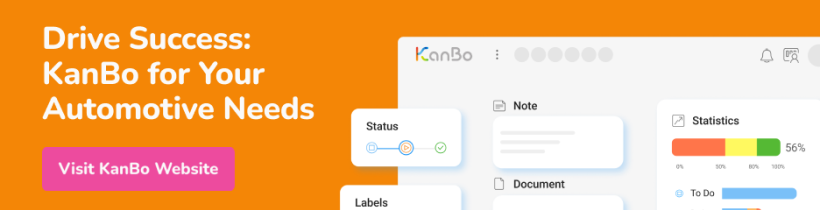
Did you know that KanBo is much more than just a tool for task management? While KanBo certainly excels at task management with its easy-to-use interface, intuitive card system, and various views for visualizing work, KanBo is also a comprehensive work coordination platform for large enterprises.
With KanBo, you can create workspaces, which are customizable digital spaces for specific projects or teams. These workspaces not only facilitate task management but also help to bring together different departments, teams, and external stakeholders for greater collaboration and transparency.
KanBo also supports multiple document sources within workspaces, including SharePoint, Microsoft Teams, Google Drive, and more. This means you can organize and access all of your project-related documents and files in one centralized location, making collaboration with team members more efficient.
In addition to task and document management capabilities, KanBo also offers features like visualizing work with different views such as Kanban, table, Gantt chart, timeline, and mind map. You can also create and customize dashboards and reports to gain insights into team progress and identify potential areas for improvement.
Furthermore, KanBo supports resource management, enabling you to manage team workload, capacity, and availability. This helps to ensure that tasks and responsibilities are distributed evenly and everyone is working at their optimal capacity.
Overall, KanBo is much more than a simple task management tool. It is a comprehensive work coordination platform that can help large enterprises optimize their work management practices and achieve greater transparency, collaboration, and efficiency.
Q&A
Q1. What are the four status options available in KanBo?
A1. The four status options available in KanBo are Not started, In progress, Completed, and Information.
Q2. Is KanBo suitable for small businesses or is it primarily designed for large enterprises?
A2. KanBo is primarily designed for large enterprises, but it can still be used by small businesses if they require similar features and functionality.
Q3. How can KanBo help logistics process engineers in the automotive industry improve efficiency?
A3. KanBo can help logistics process engineers in the automotive industry improve efficiency by facilitating smart factory operations, generating options for process improvements, and actively supporting project teams related to significant business innovation. Its task management features can also help streamline processes and ensure efficient collaboration with team members.
Use Case: How KanBo Status Roles Simplify Tasks in Automotive Industries
Imagine you are a logistics process engineer in the automotive industry, and you have to manage a project that involves multiple teams and stakeholders. With so many people involved, it can be challenging to keep track of who is doing what and what stage a task is at. This is where KanBo status roles come in, which help simplify tasks and improve organization.
For example, let’s say you have to oversee the production of a new car model. You can create a KanBo workspace for this project and assign tasks to different teams, such as manufacturing, engineering, and supply chain. Each task can be given a status role, such as Not started, In progress, Completed, or Information, depending on its stage.
By using KanBo status roles, you can easily see the progress of each task and which ones need attention. For instance, if a task is assigned the status of In progress, you know that the team is actively working on it, and you can monitor its progress.
Another benefit of KanBo status roles is that they can be easily changed. If a task is completed, you can give it the Completed status, and if it contains important information, but it’s not executable, you can give it the Information status.
Moreover, KanBo allows users to integrate their Microsoft Office skills with the platform. Users can easily attach Microsoft Office files to cards, making them accessible to team members and stakeholders across different departments. This integration also enables users to add comments and make changes to documents within the KanBo platform, making collaboration and communication more efficient.
In conclusion, KanBo status roles simplify tasks in the automotive industry by improving organization and task tracking. They enable logistics process engineers to monitor the progress of tasks effectively, streamline communication and collaboration between teams, and integrate their Microsoft Office skills into the platform.