Work coordination platform
Designed for the automotive industry
As a leader in innovation, you understand the importance of staying ahead of the curve in the fast-moving automotive 4.0 world. KanBo provides you with the tools to do just that by facilitating smart factory operations, streamlining project management, fostering collaboration and solving complex problems.

Efficient Task Management for Receiving Inspectors: A Comprehensive Guide
KanBo is a powerful work coordination platform designed specifically for large enterprises. With its on-premises and cloud installations, KanBo caters to every type of business, allowing them to bring all their teams, departments, and external stakeholders together in one cohesive system.
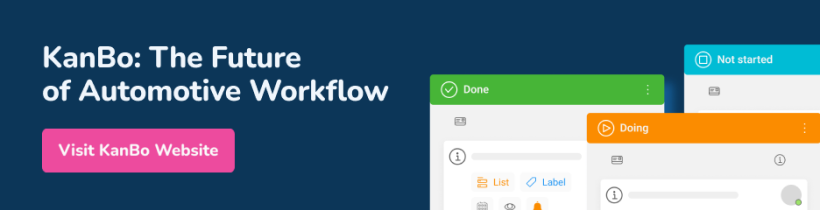
One of the key features that sets KanBo apart is its Status Roles. These roles are designed to help you organize your tasks and keep track of their progress. With four different status options – Not started, In progress, Completed, and Information – you can easily see what stage your tasks are at and make changes as needed.
But KanBo offers more than just Status Roles. Its benefits include a wide range of collaborative tools that enable teams to work together more efficiently. From smart factory operations to project management and problem-solving, KanBo has everything you need to stay ahead of the curve in the fast-moving automotive 4.0 world.
Let’s take a short product tour and see how KanBo can revolutionize task management in the automotive industry.
One of the first tools you will encounter in KanBo is the Kanban board. This board enables you to visualize your tasks and their progress, making it easy to see what needs to be done next. You can customize your Kanban board to fit your specific needs, adding columns, changing colors, and more.
In addition to the Kanban board, KanBo also offers a variety of other tools to help you manage your tasks. These tools include a task list, a calendar, and a timeline. You can use these tools to keep track of deadlines, assign tasks to team members, and monitor progress.
KanBo also offers a range of collaboration tools, including chat, comments, and notifications. These tools make it easy for team members to communicate with each other, share files, and stay informed about important updates.
Overall, KanBo is a powerful work coordination platform designed to meet the needs of large enterprises. With its focus on task management in the automotive industry, KanBo is the perfect solution to help you stay ahead of the curve in the fast-moving automotive 4.0 world. So why wait? Sign up for KanBo today and start taking advantage of its many benefits!
Introduction:
KanBo is a work coordination platform designed specifically for the automotive industry that helps facilitate smart factory operations, streamlines project management, fosters collaboration, and solves complex problems. In this how-to guide, we will take a closer look at how KanBo can help a receiving inspector in the automotive industry stay organized and productive throughout one week of work. We will explore how KanBo’s task management features can be used to simplify the process of receiving inspection, making it more efficient and effective.
Monday:
On Monday, the receiving inspector arrives at the factory and checks their KanBo workspace for any updates and new tasks. Using the platform’s Kanban view, they can quickly prioritize and organize their tasks for the day, moving them from the “To Do” column to “In progress.” They can check the items to be inspected and add new cards or edit the existing ones as deemed necessary, assigning responsible persons where required.
Tuesday:
On Tuesday, the receiving inspector focuses on inspecting the parts/items delivered according to the schedule. They open each card that needs inspection and make annotations if there are any issues with the quality of the item based on the criteria and specifications. Other inspectors can access the card too and add more details, observations, or initiate discussions to resolve issues if there is need for a team effort.
Wednesday:
On Wednesday, the receiving inspector uses KanBo’s scheduling feature to plan out their tasks for the remainder of the week. They can see all tasks with their designated due dates on the calendar view, making sure they have allocated enough time for each item to be inspected. Assigning priorities will keep them on schedule.
Thursday:
On Thursday, the receiving inspector continues the inspection process, updating any changes in status on previously inspected items and determining next steps for those passing quality standards. KanBo’s card statuses and filters allow them to easily keep track of what has been completed and what still needs attention.
Friday:
On Friday, the receiving inspector wraps up the week by reviewing the completed tasks, updating the documentation related to quality checks like reports or audits and identifying minor or major issues based on the inspection findings. They can use the platform to generate reports and dashboards to keep everyone on the team informed on the inspection process progress.
Using KanBo for task management is an efficient way for receiving inspectors in the automotive industry to stay on top of their work, prioritize tasks and optimize time spent.
Did you know that KanBo is much more than a tool for task management? While it certainly excels at streamlining work coordination and optimizing task management, KanBo also offers a suite of additional features that make it a powerful tool for enterprise collaboration and communication.
One of KanBo’s most notable features is its ability to bring disparate teams and departments together. With KanBo, everyone has access to the same information and can collaborate in real-time, regardless of their physical location. This level of transparency and visibility promotes trust and enables teams to work more cohesively towards a shared goal.
KanBo also offers a wealth of visualizations and analytics tools that enable teams to gain deeper insights into their work and productivity. These tools can help identify bottlenecks, prioritize tasks, and optimize workflows, resulting in improved efficiency and better outcomes.
In addition to traditional task management features, KanBo also supports a range of communication and collaboration tools, including chat, document sharing, and video conferencing. This comprehensive approach to work coordination allows teams to stay connected and engaged, even when working remotely.
So whether you’re looking to streamline task management, improve collaboration, or gain deeper insights into your work, KanBo has you covered. With its comprehensive suite of features and flexible deployment models, KanBo is the ideal solution for large enterprises looking to optimize their work coordination and achieve their goals.
Q&A
1. Q: How does KanBo help receiving inspectors in the automotive industry stay organized and efficient?
A: KanBo’s task management features allow receiving inspectors to prioritize and organize their tasks using Kanban view, schedule tasks using calendar view and easily track the status of each task using filters and card statuses. This helps them optimize their time and stay on top of their work.
2. Q: Can other team members access and contribute to inspection tasks set up by receiving inspectors on KanBo?
A: Yes, KanBo’s collaboration features such as discussions, comments, and notifications make it easy for team members to communicate with each other, share files and stay informed about any important updates. This fosters collaboration and helps the team resolve any issues.
3. Q: Is it possible to generate reports and dashboards related to inspection tasks with KanBo?
A: Yes, KanBo offers reporting and dashboard features to help track progress and generate insights related to inspection tasks. This can help receiving inspectors keep other stakeholders informed about the inspection process, which can be helpful in maintaining quality control.
Now let’s see how these KanBo Status Roles can be used in the Automotive industry. Imagine you are working on a project related to the manufacturing of a new car model. You can create different cards for each task, such as designing the body, selecting the materials, and testing different components.
You can then assign a status role to each card depending on its progress. For example, the card for designing the body can be set as “In progress” while the card for selecting materials can be set as “Not started.” This way, everyone working on the project can easily see the progress of each task and what needs to be done next.
Furthermore, KanBo allows you to use your Microsoft Office skills to easily create and edit cards. You can copy and paste information from Excel or Word into a new card, attach files and documents, and set reminders using Outlook. This way, you can seamlessly integrate KanBo into your existing workflow and save time by not having to switch between different tools.
In conclusion, using KanBo Status Roles in the Automotive industry can greatly improve task management and coordination. By allowing you to easily visualize and track the progress of each task, you can ensure that projects stay on track and are completed on time. And with its seamless integration with Microsoft Office, KanBo makes it easy for everyone to use and adopt.