Work coordination platform
Designed for the automotive industry
As a leader in innovation, you understand the importance of staying ahead of the curve in the fast-moving automotive 4.0 world. KanBo provides you with the tools to do just that by facilitating smart factory operations, streamlining project management, fostering collaboration and solving complex problems.
Boosting Productivity with Task Management Techniques: A Business Intelligence Analyst’s Guide
KanBo is an innovative work coordination platform designed for large enterprises. Its on-premises and cloud installations cater to the needs of different businesses, providing a seamless experience for every user. From automakers to finance companies and everything in between, KanBo is a reliable solution that streamlines project management, enhances collaboration, and solves complex problems.
One of the standout features of KanBo is its child card groups. When a single card is complex and covers a set of activities that need to be completed, the child card functionality kicks in. These cards are collected inside child card groups, which can further enhance task management within the platform.
Adding a child card group is easy – simply press on the ‘+ Add element’ button and select ‘Child card group.’ You can name the group and add child cards to it by pressing the ‘+ Add child card’ button. This ensures all activities related to the project are organized in one place, making it easier to manage and prioritize work.
The progress of child card group completion is also visible on the main icon circle, providing users with a quick and easy way to determine how a project is progressing. Removing a child card group is equally simple – press the ‘more’ button (three dots) on the child card group’s top right corner and select ‘Remove.’
KanBo’s child card groups enhance task management within the platform, making it even simpler for teams to communicate, collaborate, and complete complex projects. This feature provides large enterprises with a competitive edge, ensuring they stay ahead of the curve in the fast-moving business landscape.
In conclusion, KanBo is a reliable work coordination platform designed for large enterprises. Its child card groups are just one example of how the platform streamlines project management, fosters collaboration, and solves complex problems – making it the perfect solution for businesses looking to stay ahead of the curve in the modern business landscape.
As a Business Intelligence Analyst in the fast-paced Automotive industry, using a reliable and efficient task management tool is crucial. KanBo provides an excellent solution to help me keep track of my daily tasks, projects, and collaborations. In this how-to guide, I will share my experience of using KanBo and task management for a week in the Automotive industry.
Monday:
On Monday, I started the day by creating a new workspace for my upcoming project. I invited the team members and assigned them roles and tasks. We collaborated and discussed the project timeline, requirements, and milestones. Using the Kanban view, we mapped out the project flow and set project deadlines.
Tuesday:
On Tuesday, I received an urgent task from the management to update the sales report. I created a new card and added all the necessary details, including the deadline, description, and attached the file. I assigned the task to myself and set a reminder. With the help of KanBo’s checklist feature, I divided the task into smaller sections to ensure accurate and timely completion.
Wednesday:
On Wednesday, I started working on my weekly report. I used KanBo’s timeline view to map the entire week’s task and deadlines. I followed the Gantt chart view to visualize the project progress and ensure that all team members were on track. Using the table view, I was able to sort, group, and analyze the data, making it easier to create a comprehensive report.
Thursday:
On Thursday, I attended a team meeting, where we discussed a new project proposal. I added the project details, attached relevant files, and set deadlines. To ensure a transparent and streamlined collaboration, I used KanBo’s discussion feature to exchange ideas, share feedback, and seek input from team members.
Friday:
On Friday, I wrapped up the week by reviewing my task list for the day and updating the project status. With KanBo’s customizable dashboard and visual analytics, I was able to gain insights into the project’s progress and plan my next week’s task efficiently. Using the KanBo feature to track time, I accurately logged and billed my hours for the week.
In conclusion, KanBo is a powerful tool that helps me save time, collaborate efficiently, and complete my tasks accurately. Its multiple views and customizable dashboard give me a comprehensive view of the entire project, making it easier to plan, cooperate and streamline the work process.
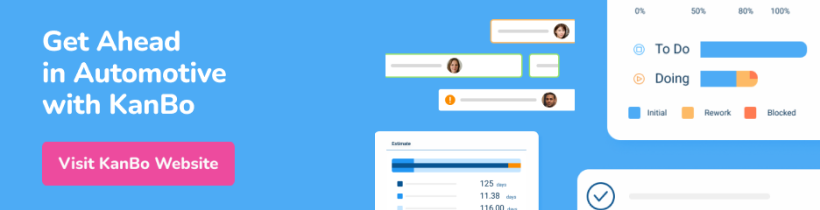
Yes, KanBo is much more than just a tool for task management. It is a versatile and comprehensive work coordination platform designed for large enterprises. With KanBo, you can manage documents and resources, collaborate with your team, plan and track projects, and monitor progress using various powerful views. In addition, KanBo offers many other features beyond simple task management, such as Board Analytics, Intelligent Search, User Groups, Personal Reminders, and Board Collections. These features enable you to work smarter and achieve greater results by optimizing your work management and empowering your team. Whether you are a manager, a team leader, or a team member, KanBo can help you streamline your work, increase productivity, and boost collaboration.
Q&A
1. Q: Can you add child cards to a child card group in KanBo?
A: Yes, adding child cards to a child card group in KanBo is effortless. All you have to do is click on the ‘+ Add element’ button and select ‘Child card group.’ From there, you can name the group and add child cards to it by clicking on the ‘+ Add child card’ button.
2. Q: Is it possible to remove a child card group in KanBo?
A: Yes, removing a child card group in KanBo is easy. All you have to do is click on the ‘more’ button (three dots) located on the top right corner of the child card group and select ‘Remove.’
3. Q: What are some benefits of using KanBo’s child card groups for project management?
A: Using KanBo’s child card groups for project management has several benefits. It helps in organizing all activities related to a project in one place, making it easier to manage and prioritize work. The progress of child card group completion is also visible on the main icon circle, providing a quick and easy way to determine how a project is progressing. This feature enhances task management within the platform, making it even simpler for teams to communicate, collaborate, and complete complex projects.
Use case: Enhancing Project Management for Automotive Finance Applications with KanBo
Automotive finance applications are complex and require seamless management to ensure that the data warehouse and data lake requirements are met. KanBo’s child card groups can enhance project management for automotive finance applications by providing a simple and efficient solution to track progress and manage tasks.
For example, let’s say a project team is working on an automotive finance application and needs to gather and understand the data warehouse and data lake requirements. With KanBo, the team can create a child card group for this project and list out the tasks that need to be completed. Each task can be represented by a child card, and progress can be tracked by the main icon circle.
The team can also use Microsoft Office skills with KanBo Child Card Groups to enhance collaboration and communication. For instance, team members can attach documents, spreadsheets, or presentations to child cards, providing a centralized location for all project-related information. They can also make comments on each child card to communicate important information and updates to the team.
Furthermore, the project manager can manage technical progress of DWH and Data Lake separation project, including project working package design, scope management, task tracking, test plan, etc. Using KanBo’s child card groups, the manager can easily assign tasks to team members, track progress, and provide feedback on each task.
KanBo’s child card groups also provide powerful analytics to help the team make informed decisions. For instance, the progress of the child card group completion is visible on the main icon circle, providing a quick and easy way to determine the project’s progress. This allows the team to identify any potential risks or issues earlier and take corrective action.
In conclusion, KanBo’s child card groups offer a simple yet powerful solution for enhancing project management for automotive finance applications. By creating child card groups and tracking progress, the team can efficiently manage tasks, enhance collaboration, and make informed decisions. KanBo child card groups streamline complex projects, as well as provide analytics, making it easier for firms to improve their productivity and collaboration.